
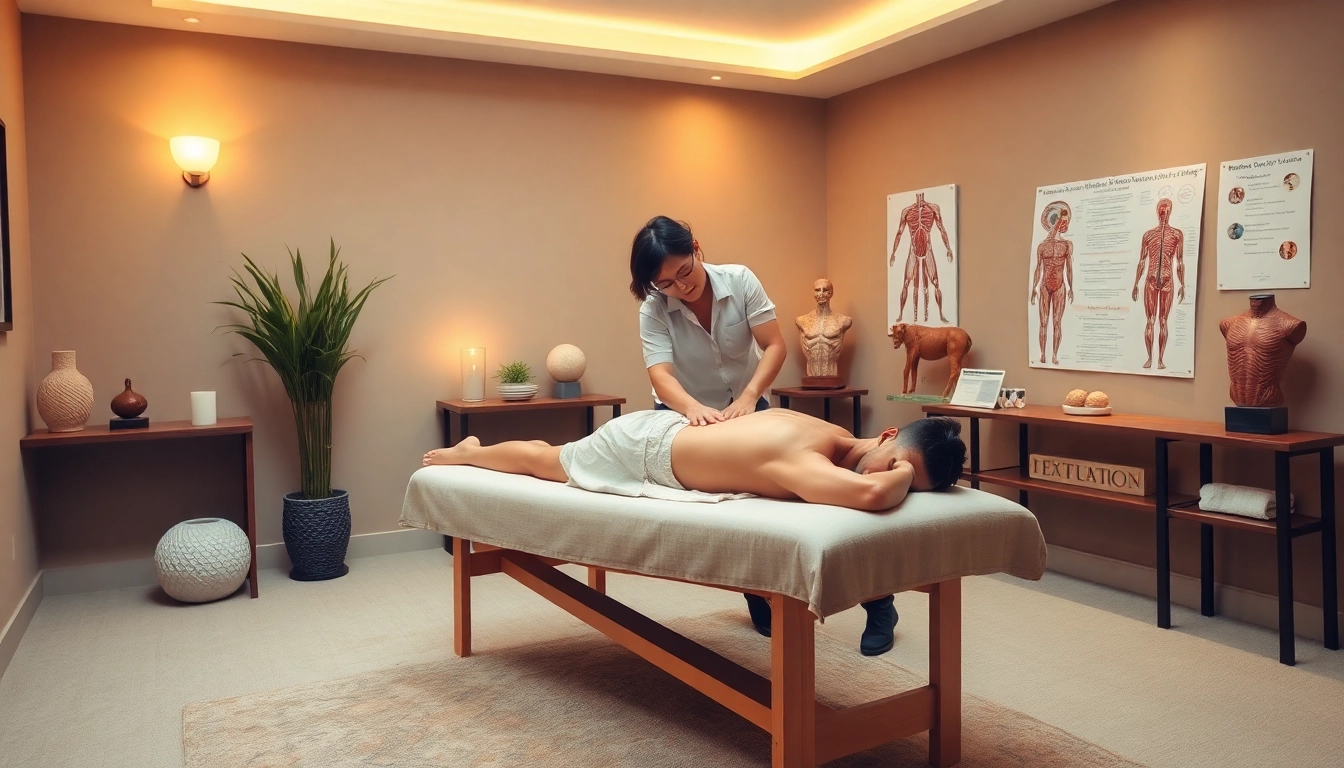
Understanding Deep Tissue Massage
Deep tissue massage is a therapeutic technique that targets the deeper layers of muscle and connective tissue, focusing on tension and pain relief. It has gained popularity in recent years due to its effectiveness in addressing chronic pain and musculoskeletal issues. For professionals in the massage therapy field, understanding the nuances of this modality is crucial. Practitioners must be aware of its benefits, misconceptions, and the techniques involved. When exploring options, Deep tissue massage can significantly enhance therapeutic practices.
What is Deep Tissue Massage?
Deep tissue massage is a specialized form of massage therapy that delves into the deeper muscle layers and fascia to alleviate chronic pain, improve posture, and enhance overall well-being. Unlike traditional Swedish massage, which primarily uses lighter strokes to promote relaxation, deep tissue techniques employ firmer pressure to target knots and adhesions within the muscle fibers. This method often involves slower movements and deeper strokes that can cause discomfort but result in profound relief and satisfaction as tension is released.
Key Benefits of Deep Tissue Massage
The benefits of deep tissue massage are numerous and impactful, particularly for individuals who experience chronic tension or pain due to lifestyle, work-related stress, or athletic pursuits. Key benefits include:
- Pain Relief: By focusing on chronic pain points, deep tissue massage can alleviate discomfort associated with conditions like fibromyalgia, arthritis, and sports injuries.
- Improved Mobility: This technique helps to release muscle tightness and enhance flexibility, making it essential for athletes and individuals recovering from injuries.
- Posture Correction: Deep tissue work can facilitate better alignment of the spine and joints by addressing muscle imbalances that contribute to poor posture.
- Stress Reduction: The intensity of this massage allows for deep relaxation of both body and mind, reducing stress levels significantly.
Common Misconceptions about Deep Tissue Techniques
Despite its benefits, deep tissue massage is often surrounded by misconceptions. A common belief is that it should always be painful to be effective; however, this is not the case. While some discomfort may occur as tension is released, a skilled therapist should always communicate with clients to ensure their comfort levels are met. Another misconception is that deep tissue massage is suitable for everyone, while in reality, certain individuals, such as those with specific medical conditions, may require a gentler approach.
Techniques Employed in Deep Tissue Massage
Assessing Muscle Tension and Pain Points
Before initiating a deep tissue massage, a thorough assessment of the client’s posture and muscle tension is essential. Practitioners often use palpation techniques to identify tight areas and knots. Understanding the muscle groups involved is crucial for targeting specific pain points effectively. Techniques may include asking the client to describe their pain, identifying range of motion limitations, and examining posture for any misalignments.
Core Techniques Used in Deep Tissue Massage
Deep tissue massage incorporates various techniques, which include:
- Cross-Fiber Friction: A method where the therapist applies pressure perpendicular to the muscle fibers, helping to break down adhesions.
- Trigger Point Therapy: Involves applying pressure to specific points in the muscle that are painful or tense, known as trigger points, to relieve tension and referred pain.
- Myofascial Release: This technique addresses the fascia, connective tissue surrounding muscles, to improve mobility and reduce pain.
- Deep Gliding Strokes: Using forearms or elbows with steady pressure to smooth out muscle fibers and release deep-seated tension.
Client-Centered Approaches to Treatment
Each client’s experience with deep tissue massage should be personalized. Practitioners must listen to their clients’ feedback and adjust pressure and techniques accordingly. Establishing a therapeutic alliance enhances client trust and enables more effective treatment outcomes. Specific goals should be set for each session, addressing individual needs and preferences, which not only improves satisfaction but also effectiveness.
Integrating Deep Tissue Massage into Therapy Practices
Combining Deep Tissue with Other Modalities
To achieve optimal results, deep tissue massage can be combined with other modalities, such as Swedish massage, trigger point therapy, and stretching techniques. This integrative approach maximizes benefits, as different techniques can address various aspects of muscular tension and pain. For instance, starting with a Swedish massage can help relax muscles before transitioning to deep tissue techniques for targeted relief.
Creating Tailored Treatment Plans
Effective treatment plans should consider the client’s specific conditions, lifestyle, and preferences. For example, athletes may benefit from more frequent deep tissue sessions focused on injury prevention and performance enhancement, while individuals with chronic stress may need a gentler approach that emphasizes relaxation. Including client education about self-care practices and follow-up appointments contributes to a comprehensive treatment plan.
Best Practices for Effective Client Communication
Open communication between therapists and clients is vital for successful outcomes. Therapists should encourage clients to express their comfort levels throughout the session and provide feedback on pressure and technique. Additionally, thorough intake forms can help therapists understand past injuries, current pain levels, and treatment expectations, allowing for more effective and personalized care.
Deep Tissue Massage for Sports and Rehabilitation
Role of Deep Tissue Massage in Athletic Training
Deep tissue massage plays a critical role in athletic training by enhancing performance and promoting recovery. Regular sessions help athletes prevent injuries by identifying tight areas that may lead to strain or injury over time. By addressing these issues proactively, athletes can maintain optimal performance levels.
Post-Injury Recovery with Deep Tissue Techniques
Recovering from sports injuries often involves deep tissue massage, which aids in the healing process. By reducing muscle tension and improving blood circulation, these techniques can facilitate faster recovery. Rehabilitation often combines deep tissue with other therapies, such as physical therapy and stretching, to restore full functionality to the injured area.
Enhancing Performance and Preventing Injuries
With ongoing application, deep tissue massage not only helps prevent injuries but also enhances athletic performance. Improved musculoskeletal function allows athletes to train harder and recover quicker. Consistent deep tissue work can contribute to better muscle coordination, flexibility, and strength, making it a vital component of any athlete’s training regimen.
Future Trends in Deep Tissue Massage for 2026 and Beyond
Technological Advances in Massage Therapy
The future of deep tissue massage is poised for innovation, with advancements such as massage therapy apps, online consultations, and smart massage devices that track muscle activity. Therapists can use these technologies to enhance their practice, provide personalized client recommendations, and streamline scheduling and payments.
Emerging Research on Deep Tissue Benefits
Ongoing research continues to validate the benefits of deep tissue massage, shedding light on its physiological and psychological effects. New studies are expected to uncover additional therapeutic benefits, such as its potential role in managing anxiety and stress, offering practitioners more evidence to support their methodologies.
Adapting Techniques for Most Common Needs
As awareness of holistic health grows, deep tissue massage techniques will continue to evolve to meet the needs of clients. Practitioners will need to adapt their approaches based on individual client lifestyles, fitness goals, and health conditions, ensuring that every treatment is relevant and effective. This demand for tailored care will drive the development of new techniques and training programs within the field.