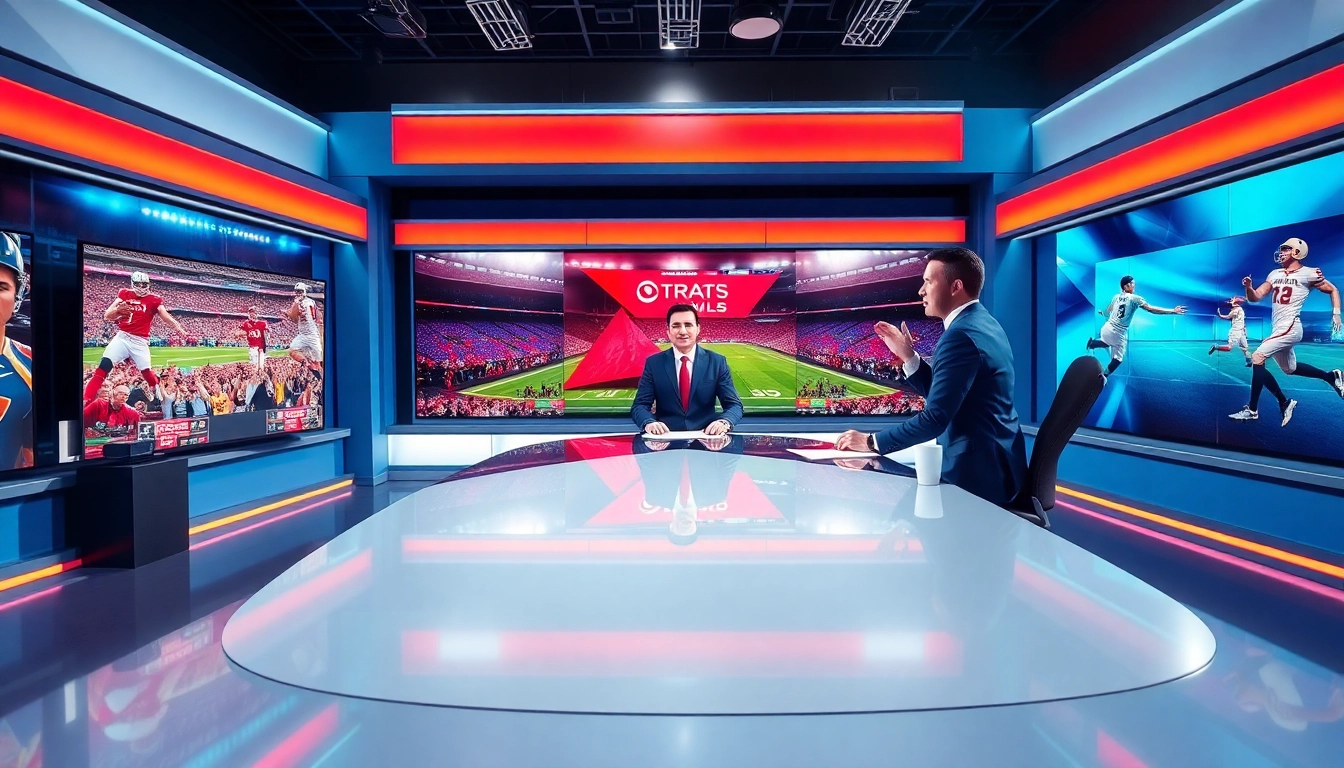
Understanding Sports Broadcasting
Defining Sports Broadcasting
Sports Broadcasting encompasses the transmission of sports events to an audience through various media channels, primarily television, radio, and digital platforms. The primary goal of Sports Broadcasting is to bring the excitement of live sports to fans, offering them a real-time experience of their favorite games. It includes play-by-play commentary, expert analysis, and entertainment elements, making it an integral part of the sports experience. For those involved in the industry, understanding Sports Broadcasting is crucial to reaching audiences effectively.
The Evolution of Sports Broadcasting
The journey of Sports Broadcasting can be traced back to the early 20th century when radio began transmitting live sports events, then transitioning to television in the 1950s, which revolutionized how fans engage with sports. Over the decades, advances in technology have brought about color broadcasting, satellite broadcasts, and digital platforms, making the content more accessible to audiences worldwide. Digital streaming and OTT (over-the-top) services have further transformed the landscape, allowing viewers to watch sports events on various devices at their convenience while enabling content providers to reach targeted audiences seamlessly.
Challenges in Sports Broadcasting Today
Despite its advancements, Sports Broadcasting faces a host of challenges. Competition is fierce, with numerous channels and platforms vying for viewer attention. Viewers now expect high-quality, immersive experiences and real-time updates. Additionally, rights management and licensing negotiations can be complicated and costly. Adaptability and innovation are vital in overcoming these challenges, requiring broadcasters to continuously evolve and utilize new technologies to engage audiences effectively.
Technology’s Role in Sports Broadcasting
Emerging Technologies: From HD to 4K
Technology plays a pivotal role in enhancing the sports viewing experience. The transition from standard definition (SD) to high definition (HD) and now to 4K resolution has dramatically changed how sports events are delivered. The clarity, depth, and vibrancy of 4K broadcasts enhance the viewing experience, making fans feel like they are part of the action. Furthermore, improvements in broadcasting technology, such as 360-degree cameras and multi-angle viewing options, provide audiences with unique perspectives of their favorite sports events.
The Impact of Streaming Services on Sports Broadcasting
Streaming services have fundamentally altered Sports Broadcasting by providing on-demand access to sports content. Platforms like Netflix and Amazon Prime have entered the sports arena, broadcasting live events and documentaries, further intensifying competition. This shift not only offers viewers flexibility but also opens up new advertising avenues for marketers. Broadcasters must adapt their strategies, balancing traditional broadcasting with innovative streaming solutions to meet viewer demands.
Augmented Reality and Virtual Reality in Sports
Augmented Reality (AR) and Virtual Reality (VR) are at the forefront of creating immersive sports experiences. AR enhances broadcasts by overlaying real-time stats and graphics onto live footage, while VR offers fans a chance to experience games from different perspectives, even from the comfort of their homes. These technologies engage audiences, draw in new fans, and offer unique advertising opportunities, paving the way for a more interactive sports viewing experience.
Engagement Strategies in Sports Broadcasting
Interactive Content and Real-Time Feedback
As the audience becomes more engaged, interactive content is increasingly important for broadcasters. Incorporating live polls, quizzes, and fan commentaries during broadcasts fosters a two-way communication channel between broadcasters and viewers. Real-time feedback can shape content delivery, allowing broadcasters to tailor their programming to meet audience preferences and enhance overall engagement.
Utilizing Social Media for Audience Engagement
Social media platforms like Twitter, Instagram, and Facebook are powerful tools in Sports Broadcasting. Broadcasters can utilize these platforms to promote events, engage with fans, and provide behind-the-scenes content that enhances viewer involvement. By aggregating real-time discussions and highlights on these platforms, broadcasters can create a community around sports, amplifying reach and improving fan loyalty.
Personalization in Sports Broadcasting
Personalization is becoming a crucial aspect of Sports Broadcasting, allowing fans to customize their viewing experience. Broadcasters can leverage data analytics to provide tailored content recommendations based on individual viewing habits. This approach not only increases viewer satisfaction but also boosts loyalty by offering fans a unique perspective of their preferred sports and teams.
Regulatory Aspects of Sports Broadcasting
Understanding Broadcast Rights and Licensing
Broadcast rights and licensing are essential components of Sports Broadcasting, providing broadcasters exclusive access to specific events. Navigating these rights can be complex, as they often involve negotiations with leagues, teams, and governing bodies. Understanding licensing agreements and their implications isn’t just important for broadcasters; it also affects advertisers and sponsors who wish to engage with audiences effectively.
Advertising Regulations in Sports Broadcasting
Advertising within Sports Broadcasting is subject to numerous regulations aimed at protecting viewers. Guidelines govern the placement and content of advertisements during broadcasts, ensuring they don’t detract from the viewer experience. Broadcasters must be aware of legal frameworks when designing their advertising strategies, balancing commercial interests with consumer protection laws.
The Role of Organizations in Sports Broadcasting Policies
Organizations such as the Federal Communications Commission (FCC) and other regulatory bodies shape policies that influence how Sports Broadcasting operates. These organizations set guidelines for content delivery, advertising, and competition, ensuring a fair playing field for all broadcasters. Keeping abreast of policy changes is vital for those within the industry to adapt effectively and maintain compliance.
Future of Sports Broadcasting
Trends to Watch: Data and Analytics
The integration of data and analytics is transforming Sports Broadcasting. Broadcasters can collect and analyze vast amounts of viewer data, gaining insights into audience behavior and preferences. This data-driven approach enhances content delivery, enabling precise targeting for advertising and promotional efforts, ultimately allowing broadcasters to improve viewer retention and satisfaction.
Predictions for the Next Decade in Sports Broadcasting
Looking ahead, the next decade of Sports Broadcasting will likely be marked by increased integration of AI, with systems that adapt broadcasts in real-time based on viewer engagement. The rise of decentralized content sharing, due to blockchain technology, will also redefine how rights are managed and how content is distributed. The focus on deepening viewer engagement through technology will remain central, with personalized experiences growing ever more important.
Potential Impacts of AI on Future Broadcasts
AI is set to revolutionize Sports Broadcasting by providing enhanced predictive analytics and automated content creation. From automating camera angles and highlights to delivering personalized viewing options, AI’s ability to adapt to viewer preferences presents a significant opportunity for broadcasters. Moreover, the potential for AI to improve engagement through interactive content will help broadcasters stay competitive in a rapidly evolving landscape.
FAQs
What is Sports Broadcasting?
Sports Broadcasting involves delivering sports events to audiences via radio, television, and online platforms, enriching the experience with commentary and analysis.
How has technology impacted Sports Broadcasting?
Technology has advanced Sports Broadcasting from traditional TV to high-definition, 4K streaming, augmented and virtual reality, enhancing viewer engagement and experiences.
What are some challenges in Sports Broadcasting today?
Challenges include intense competition, evolving viewer expectations, managing rights and licensing, and adapting to new technologies in a rapidly changing environment.
How can social media enhance Sports Broadcasting?
Social media promotes events, fosters real-time discussions, and provides fans with behind-the-scenes content, enhancing viewer engagement and community creation.
What role does data play in the future of Sports Broadcasting?
Data analytics will help broadcasters understand audience behavior and preferences, tailoring content delivery and advertising for improved viewer satisfaction and retention.